
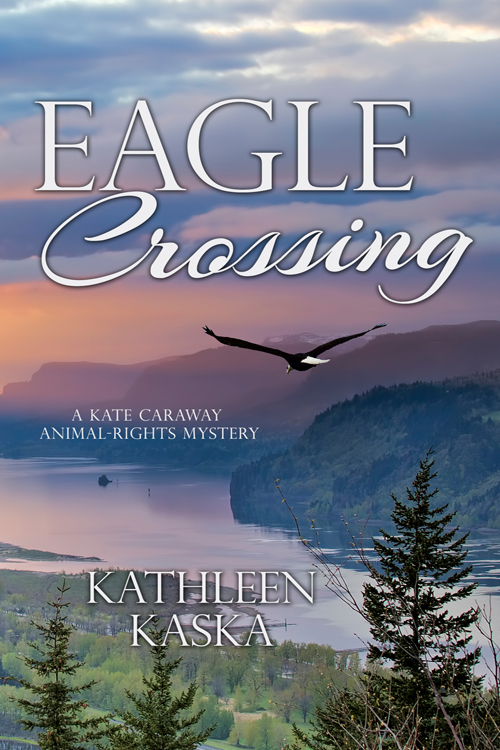
I thought you would like to get to meet my protagonist in my Kate Caraway Animal-Rights Mystery Series. She was recently interviewed by Skagit Valley Writers. The books are available on Amazon, at your local bookstore, or directly through me. Shoot me an email or purchase directly from my website by clicking on Books.
Kate Caraway is a confident and driven 42-year-old animal conservationist whose experiences studying elephants in Kenya profoundly shaped her passionate commitment to protecting vulnerable species. Athletic and outspoken, she is willing to challenge limits and even bend the law to rescue animals from abuse. Over the course of three novels—Run Dog Run, A Two Horse Town, and Eagle Crossing—Kate evolves from a fierce, sometimes reckless protector grappling with past mistakes to a more strategic and balanced advocate, all while navigating personal challenges and complex relationships, including the steadfast support of her husband, Jack Ryder. Her resilience, empathy, and dedication to justice define her character, making her a compelling figure who inspires others to fight for those who cannot fight for themselves. Kate Caraway is a confident and driven 42-year-old animal conservationist whose experiences studying elephants in Kenya profoundly shaped her passionate commitment to protecting vulnerable species. Athletic and outspoken, she is willing to challenge limits and even bend the law to rescue animals from abuse. Over the course of three novels—Run Dog Run, A Two Horse Town, and Eagle Crossing—Kate evolves from a fierce, sometimes reckless protector grappling with past mistakes to a more strategic and balanced advocate, all while navigating personal challenges and complex relationships, including the steadfast support of her husband, Jack Ryder. Her resilience, empathy, and dedication to justice define her character, making her a compelling figure who inspires others to fight for those who cannot fight for themselves.
Interview with Kate Caraway
Interviewer: Kate, you’ve been featured in three novels by Kathleen Kaska: Run Dog Run, A Two Horse Town, and Eagle Crossing. How do you feel your character has evolved across these stories?
Kate: It’s been quite a journey. In Run Dog Run, I was raw and driven, still reeling from my time in Kenya where I had to leave abruptly after shooting a poacher. That experience shaped both my fierce determination and my recklessness. In A Two Horse Town, I took a leave from my university lectures to help save wild mustangs and uncovered a murder, which forced me to be more strategic while still fighting fiercely for what I believe in. By Eagle Crossing, I was trying to find balance—juggling my passion for animal rescue with the realities of life and law, while facing the consequences of my choices head-on.
Interviewer: Your time in Kenya studying elephants is a pivotal part of your story. How did that experience influence your motivations and actions?
Kate: Kenya was transformative. Witnessing the devastation that poachers caused was heartbreaking. It lit a fire in me to protect animals at all costs, but it also taught me about the complexities of conservation. I learned that passion alone isn’t enough—you need allies, strategy, and sometimes tough choices. Leaving Kenya before being arrested was a painful lesson in the limits of what I could do.
Interviewer: In Run Dog Run, you get pulled into investigating greyhound abuse and even stumble upon a murder. How did that challenge shape you?
Kate: That case was a wake-up call. It showed me how deep and ugly animal abuse can be, and how intertwined it is with human cruelty. Finding a body so early in the investigation forced me to be more cautious but also more determined. It reinforced that sometimes, the fight for justice is personal and dangerous.
Interviewer: In A Two Horse Town, you take a leave from your university lectures to help save wild mustangs and uncover another murder. What does this say about your character?
Kate: It shows that my commitment goes beyond just animals in captivity or rescue centers. Wild horses represent freedom and survival against the odds, and helping them felt like a calling. The murder I uncovered reminded me that evil often hides behind the scenes, and you have to be willing to confront it.
Interviewer: Eagle Crossing takes you to Lopez Island, where a family gathering turns deadly. How did that experience affect your outlook?
Kate: That trip was supposed to be a break, but it quickly became a test of my resolve. Facing murder and betrayal in a place I thought was safe made me realize that danger can lurk anywhere. It strengthened my belief that protecting the vulnerable—whether animals or people—is never straightforward.
Interviewer: You’re known for sometimes taking the law into your own hands. Can you explain that?
Kate: When the system fails, I feel compelled to act. It’s not about breaking rules for the sake of it, but about protecting those who can’t protect themselves. That said, I’ve learned the hard way that recklessness has consequences.
Interviewer: How does your husband, Jack Ryder, influence your work and life?
Kate: Jack is my rock. His calm, steady presence balances my intensity. He’s helped me out of more scrapes than I can count, and his support keeps me grounded. Without him, I’d probably be lost in the fight.
Interviewer: What fears drive you?
Kate: I fear repeating past mistakes, especially what happened in Kenya. Leaving before being arrested was a harsh lesson. It keeps me cautious but also fuels my determination not to give up.
Interviewer: Outside of your work, what keeps you grounded?
Kate: Running clears my head and keeps me fit. Birding and baseball are simple joys that remind me there’s more to life than the fight.
Interviewer: Can you share a moment from Kenya that still has an impact on you?
Kate: It’s difficult to talk about. I was returning to camp when I encountered poachers who had just killed one of our elephants. I tried to intervene, and ended up making the situation worse. That moment taught me the stakes are high and that passion must be paired with strategy and allies.
Interviewer: How do you balance your intense work with personal life?
Kate: It’s a challenge. Jack helps me remember to take breaks and enjoy life’s little moments. I’ve learned that burning out helps no one.
Interviewer: What advice would you give to someone wanting to follow in your footsteps?
Kate: Be prepared for setbacks and don’t be afraid to push boundaries, but always remember why you started. Compassion and resilience go hand in hand.
Interviewer: Finally, what legacy do you hope to leave?
Kate: I want to be remembered as someone who fought fiercely for those who couldn’t fight for themselves and inspired others to do the same.